
Hedges are a timeless feature in the garden – they bring structure, provide privacy, shelter wildlife, and can be a beautiful alternative to fencing. Whether you’re looking to create a neat evergreen boundary or a mixed wildlife haven, planting a hedge is a long-term investment in your garden’s beauty and health.
But did you know that Autumn is the ideal time to get hedging plants into the ground? Here’s why:
Perfect Soil Conditions
At this time of year, the soil is still warm from summer but has more natural moisture thanks to Autumn rains. This gives hedge roots the best possible start, encouraging strong establishment before winter.
Less Stress for Plants
Cooler air temperatures mean less stress on young plants. They won’t need to battle scorching sun or dry conditions, so they can focus on growing a healthy root system.
Strong Start for Spring Growth
By planting now, your hedge will have time to settle and root in over the winter months. Come spring, it’ll be ready to burst into life with strong, healthy growth.
Great Range of Plants Available
We have a wide choice of hedging plants available. Some excellent options include:
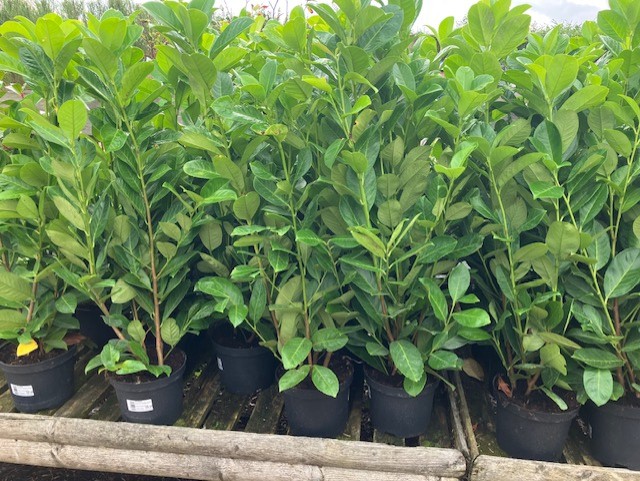
- Prunus Rotundifolia (Laurel)– perfect for a dense, flowering hedge
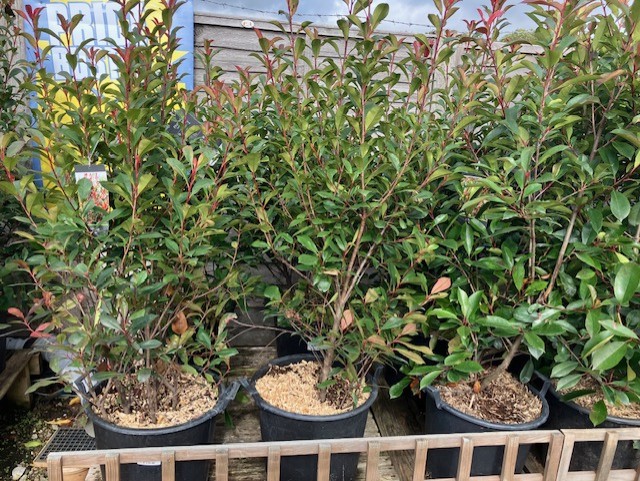
- Photinia– with striking red foliage in spring
- Taxus Baccata (Yew) – valued for its dense dark-green foliage
- Fagus (Beech)– golden in autumn, retains leaves through winter
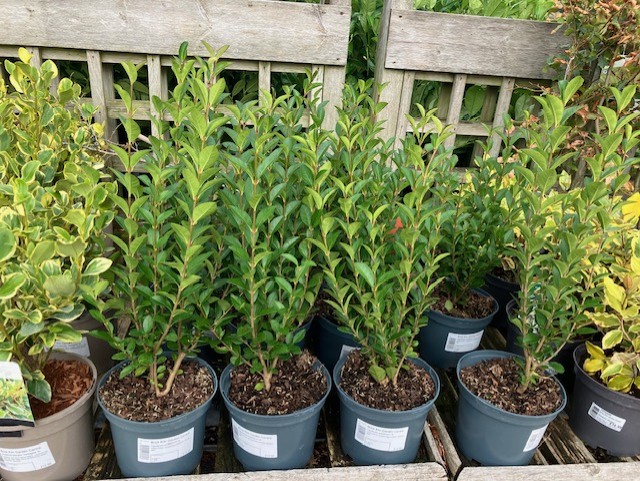
- Ligustrum– hardy, fast-growing, and easy to shape
- Griselinia– evergreen with vibrant green leaves
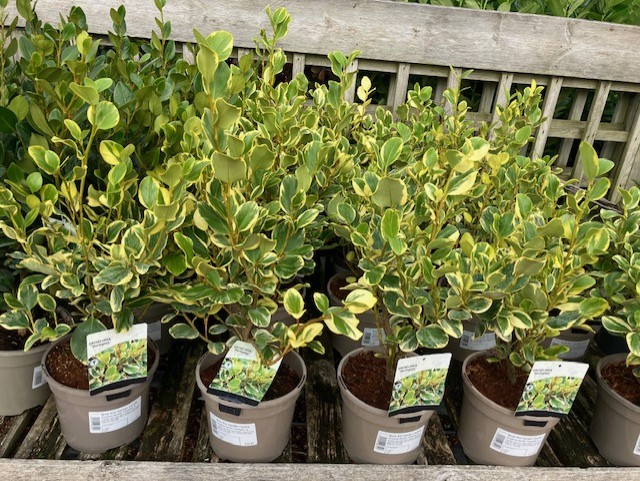
- Elaeagnus– tough, low-maintenance, and fragrant
These plants offer a mix of evergreen and seasonal interest, providing both beauty and functionality for your garden.
Benefits Beyond the Garden
Hedges aren’t just practical – they also play an important role in the environment. They act as natural windbreaks, provide food and shelter for birds and insects, and can even help reduce noise and pollution in urban settings.